Technical Guide · 2026
Practical Guide for Vehicle Care
Basic preventive care cycles, adapted to Quito's altitude and traffic, to keep your engine running and protect the value of your investment.
Quito Auto Pro · Av. de los Granados E14-85 y 6 de Diciembre
Start the guidePrologue
Introduction
Anticipating wear is the only cost-effective mechanical approach
Maintaining a vehicle is not just about repairing when something fails, but about anticipating the natural wear of each component. This guide has been created to help owners in Quito understand the basic care cycles that guarantee the safety and resale value of their investment.
The intervals shown here are for reference. Quito's altitude—2,850 meters above sea level—affects combustion, air density, and coolant performance. The heavy traffic on Av. 6 de Diciembre and the slopes of La González accelerate brake and clutch wear. We adjust each recommendation to these real-world conditions.
Table of contents
What this guide covers
I. Lubrication
II. Brakes and running gear
III. Thermal and electrical
The oil change: the heart of the engine
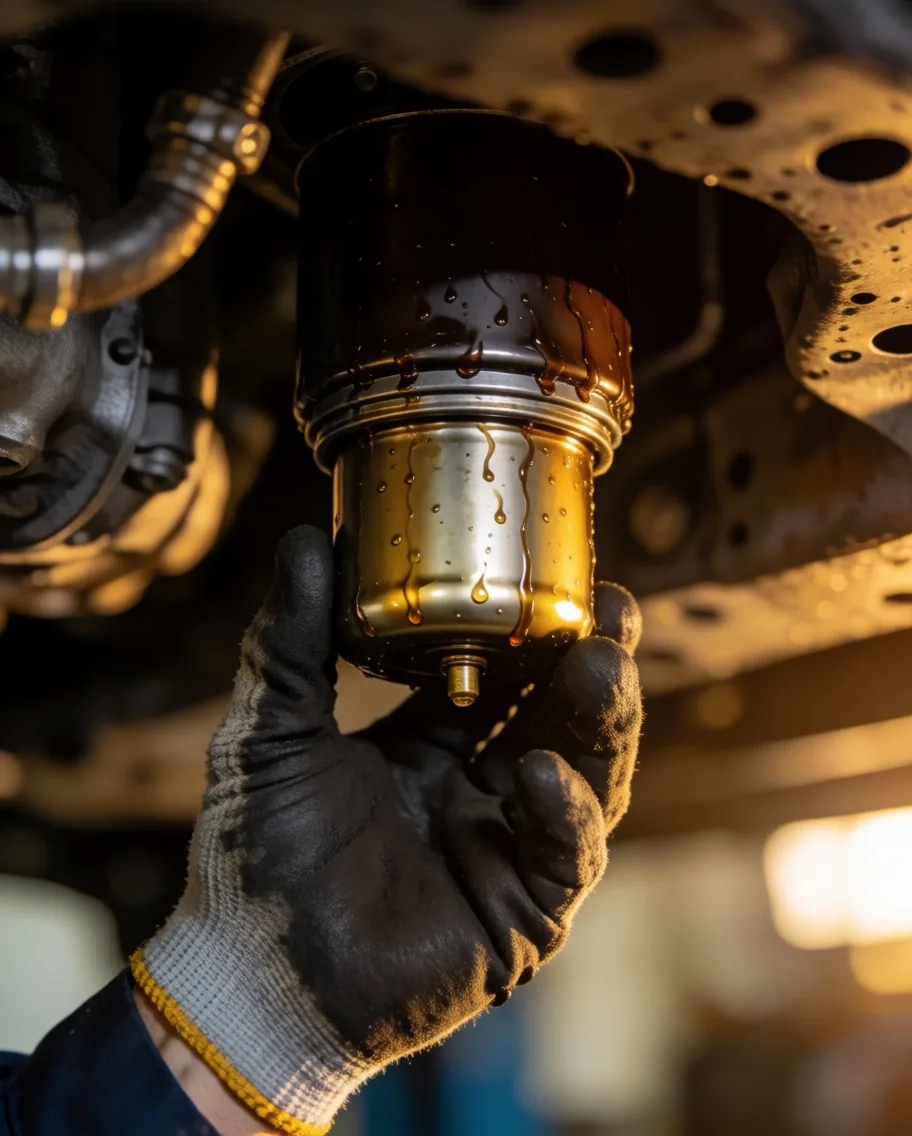
Oil lubricates, cleans, and cools the engine's internal parts, preventing excessive friction between components spinning at thousands of revolutions per minute. In cities like Quito, due to traffic and topography, it is recommended to change the oil every5,000 kilometersif it is mineral or10,000 kilometersif it is synthetic.
Ignoring this deadline creates internal sludge that can clog lubrication channels. Once sludge accumulates in the cylinder head and oil pan, internal cleaning requires a flush with specific products—a costly procedure that a timely change completely avoids.
Mineral
5,000 km
Synthetic
10,000 km
Filter
Every change
Brake system inspection
Do not wait to hear metallic squealing to check your brakes. That sound indicates that the pads have reached the metal backing and are scoring the disc—damage that multiplies the cost of the repair. Pad wear depends on driving style, but a visual inspection every6 monthsis essential.
Always check the brake fluid level, as a low level may indicate a leak or advanced wear of the friction materials. On Quito's slopes—from El Ejido to La Kennedy—brakes work more frequently than on flat terrain, so the semi-annual inspection recommendation is not optional but necessary.
Alert signal
If the pedal feels spongy or sinks more than normal when braking, air or moisture has entered the system. Request a bleed immediately.
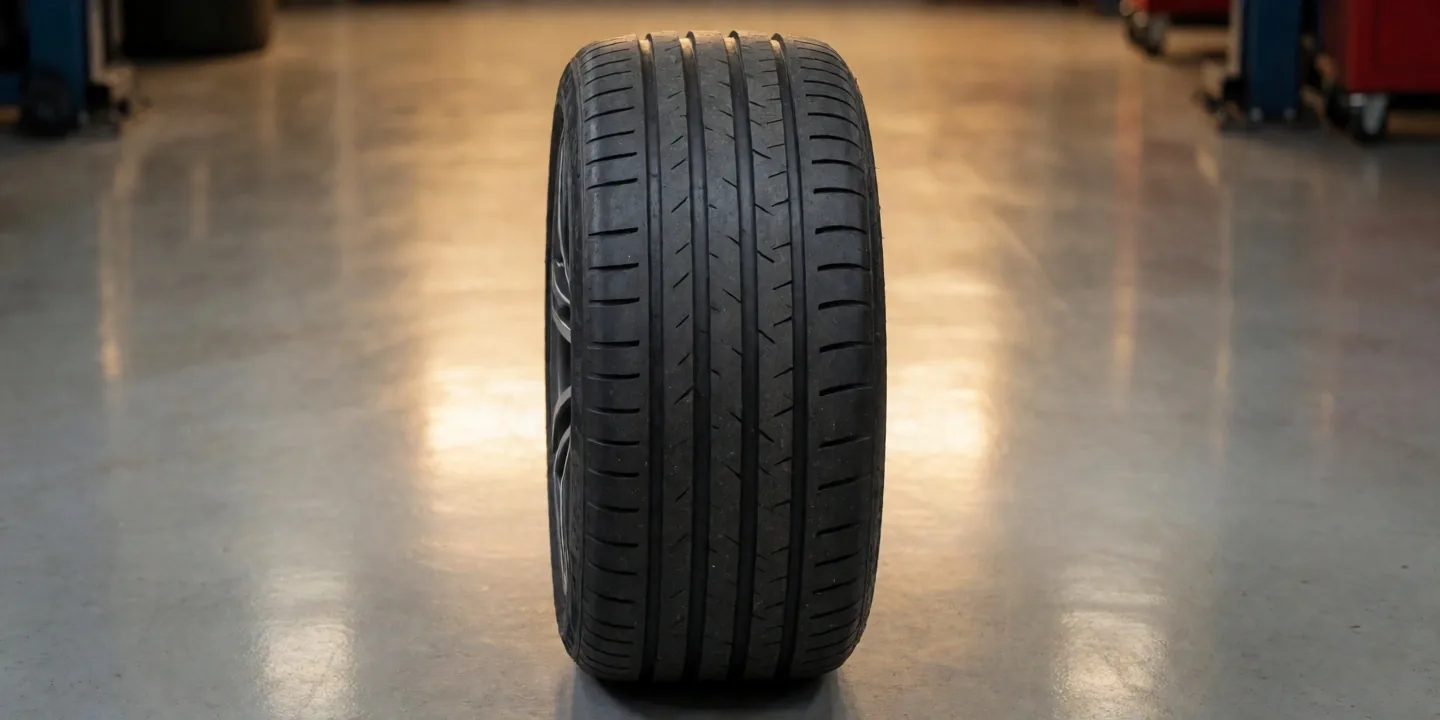
Tire care and alignment
Correct inflation pressure not only prevents punctures but also reduces fuel consumption. A tire with 10% less air than specified increases rolling resistance and can shorten its service life by up to 15%. Rotating tires every8,000 kilometersensures even wear on all four wheels, swapping the front ones with the rear ones according to the manufacturer's recommended pattern.
If you notice the car pulling to one side on a flat surface, it is a sign that it needs an alignment and balancing to protect the suspension. Potholes and speed bumps in Quito—especially in the northern area and on the secondary roads of Conocoto—frequently misalign the steering geometry. An alignment every 10,000 kilometers or after a hard impact with a pothole is the correct practice.
Check pressure weekly with cold tires
Rotate every 8,000 km following the manufacturer's pattern
Align when noticing pulling or after a hard impact
Check tread before long trips
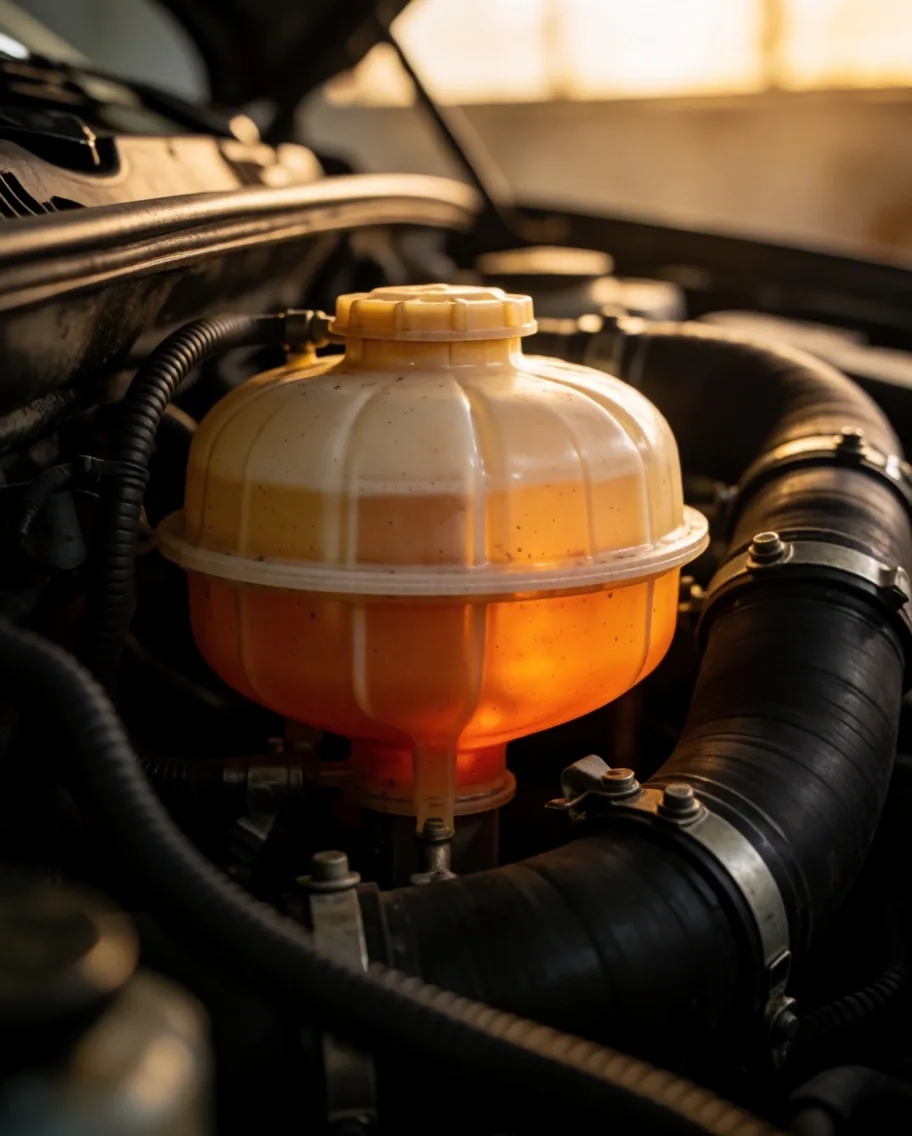
The cooling system and its importance
An engine that operates at high temperatures suffers structural damage quickly. The cylinder head gasket, valves, and pistons can deform in a matter of minutes if the coolant stops circulating. It is vital to check that the coolant is at its optimal level and does not show color changes, which would indicate contamination or degradation of the anti-corrosive.
Never use only tap water, as it causes internal corrosion and scale deposits in the radiator. In Quito, tap water contains minerals that deposit in the ducts and reduce heat exchange capacity. Always use coolant mixed with distilled water in the proportion indicated by the manufacturer—usually 50/50—and change it every 40,000 kilometers or two years.
Checkpoint
The coolant should look a uniform color—green, pink, or orange depending on the specification. If it has a brown tone or suspended particles, the system needs a complete flush.
Battery and electrical system maintenance
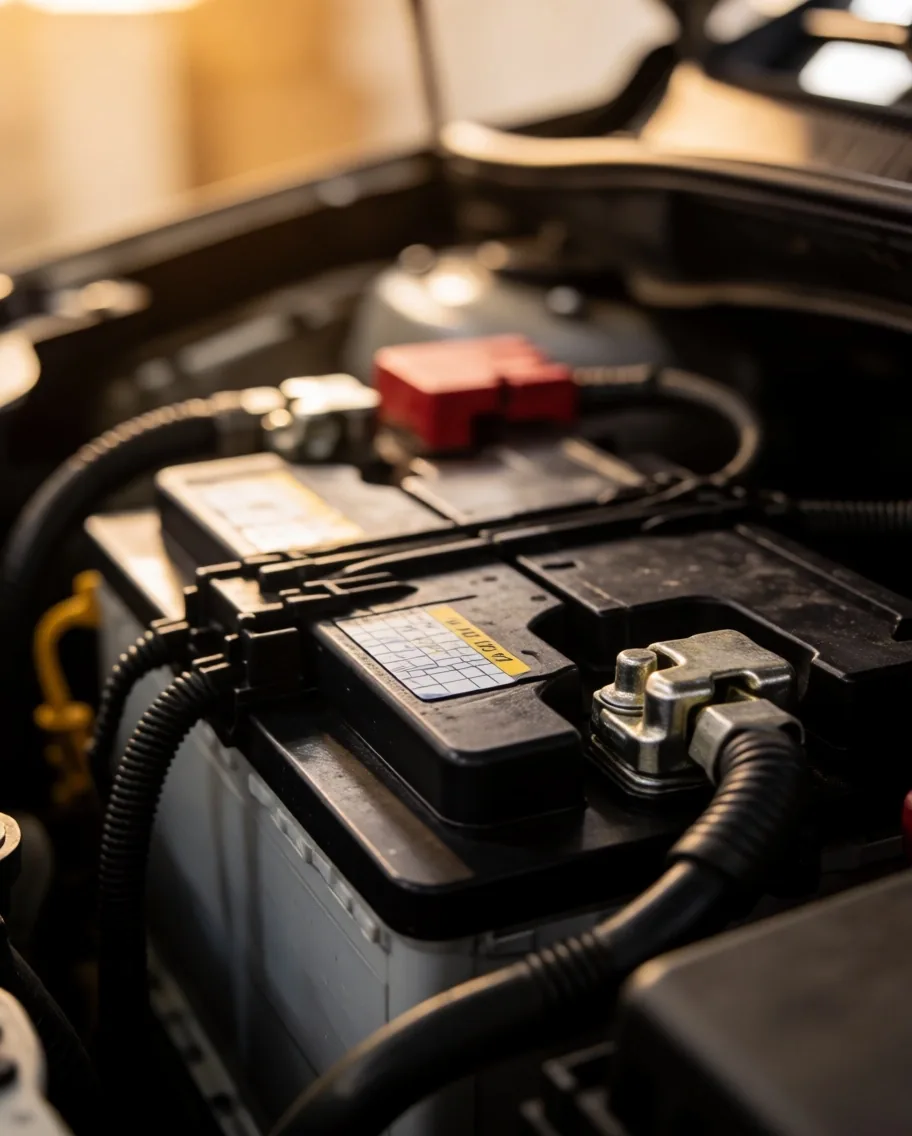
Batteries have an average service life of2 to 3 years. Keeping the terminals clean and free of sulfation ensures good contact and prevents starting failures. Sulfation appears as a white or greenish crust around the terminals; it is cleaned with baking soda dissolved in water and a firm-bristled brush, always disconnecting the negative terminal first.
If you notice that the lights lose intensity or the starter motor feels heavy—turns slowly or takes time to respond—go for an electrical diagnosis before becoming immobilized. In Quito, altitude does not directly affect the battery, but cold mornings in the valleys of Caldera and Tumbaco can accelerate the deterioration of a battery that is already at the end of its cycle.
Service life
2–3 years
Voltage
12.6 V
Terminals
Monthly
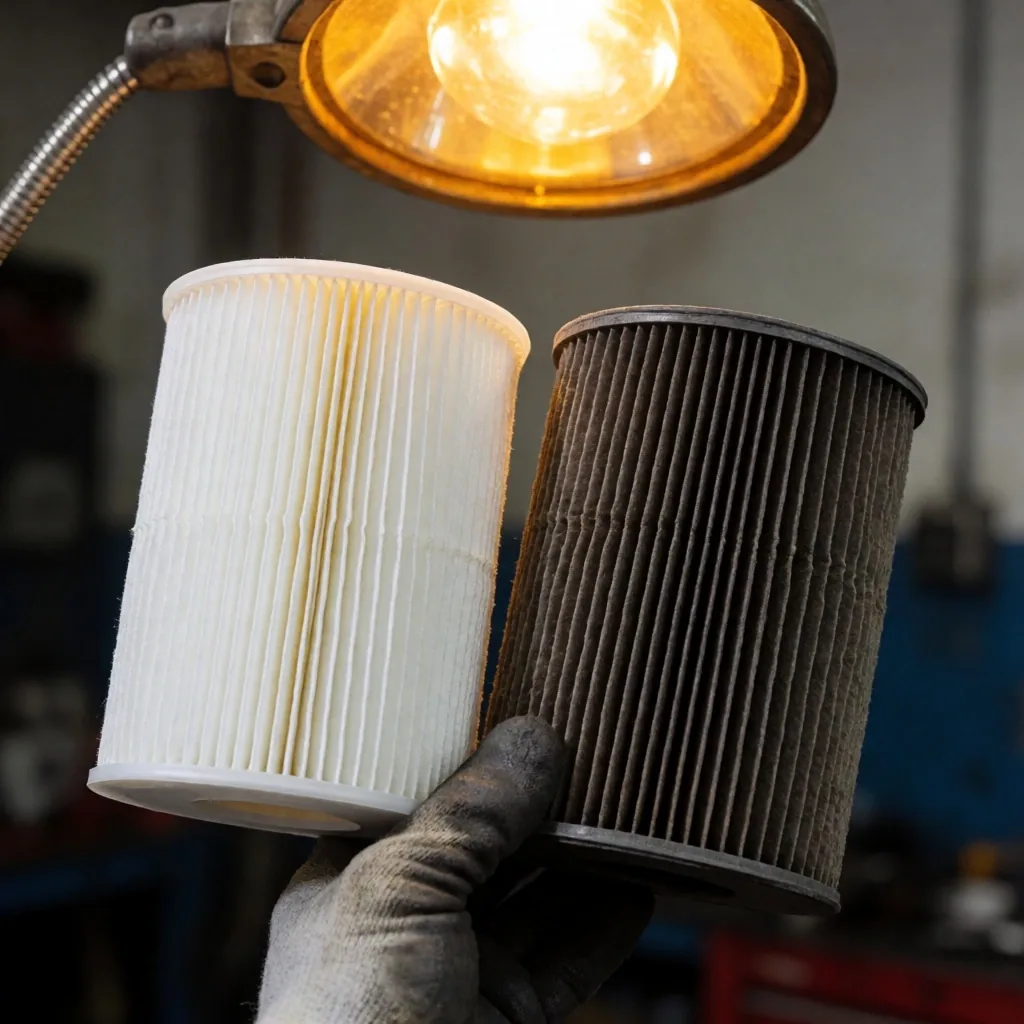
Air and fuel filters
The air filter acts as the vehicle's lung, preventing dust particles from entering the combustion chambers. A clogged filter increases gasoline consumption and reduces engine power, as the air-fuel mixture becomes unbalanced and the ECU corrects it by injecting more fuel. Replace it every15,000 kilometersunder normal conditions, or more frequently if driving on dirt roads or construction zones.
Meanwhile, the fuel filter protects the injectors from impurities present in the tank, prolonging the life of the injection system. A clogged injector causes jerking, loss of power on hills, and difficult cold starts. Its replacement is scheduled every 30,000 to 40,000 kilometers depending on the type of system—common rail, multipoint, or single-point.
Timing belt: the critical part
This belt synchronizes the engine's movement—the crankshaft with the camshafts—and its breakage is usually sudden and expensive. When it breaks while driving, the valves collide with the pistons in interference engines, which are the majority of modern ones. The resulting damage requires a complete cylinder head rebuild: resurfacing, new valves, gaskets, and sometimes pistons. The cost of that repair exceeds ten times that of a preventive change.
Most manufacturers recommend changing it between60,000 and 80,000 kilometers. It is one of the few parts that does not give a warning before failing, so keeping a strict record of its change is mandatory for engine integrity. Always change the water pump and tensioners along with the belt: they share the same access, and duplicating the labor to replace them separately makes no sense.
Change interval
60k–80k km
Replace assembly
Belt + water pump + tensioners + seals
Warning
Produces no prior audible symptom. The record is the only protection.
Lights and exterior visibility
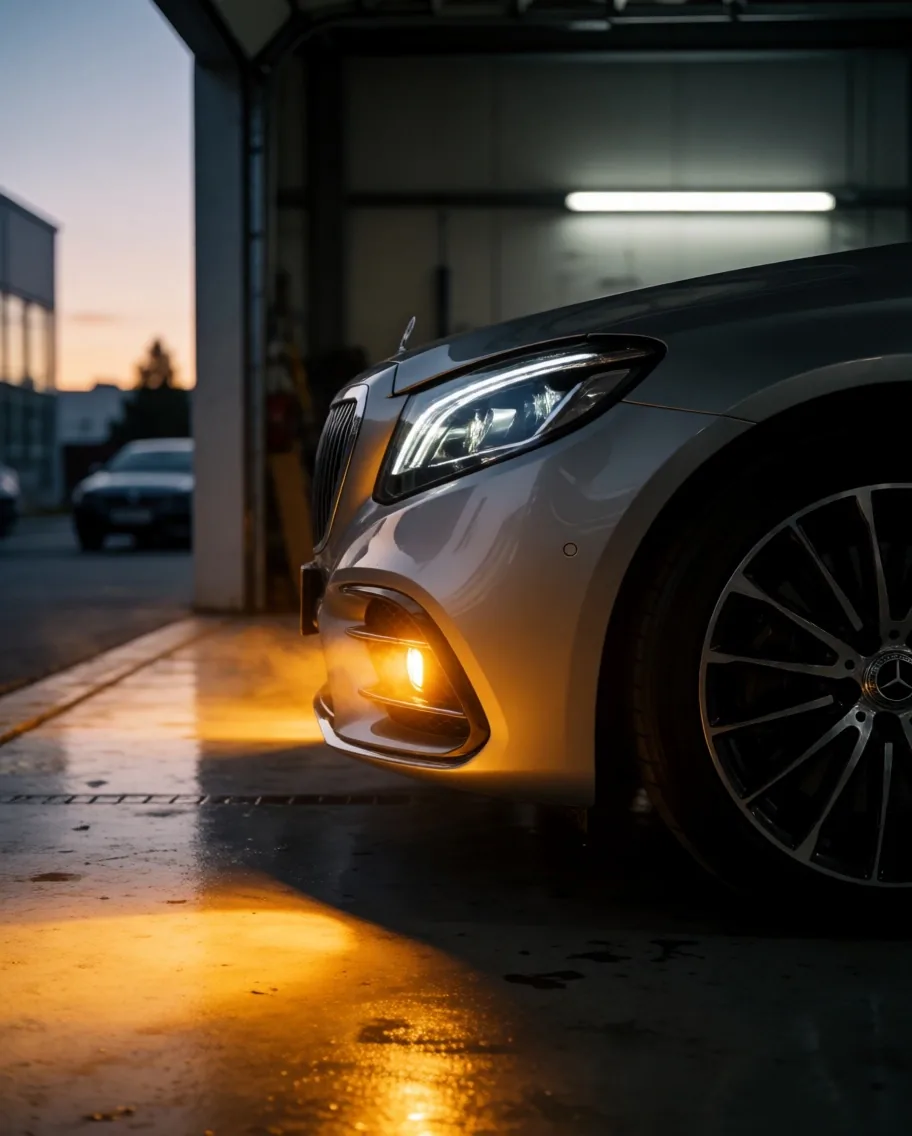
Seeing and being seen is a basic rule of road safety. Periodically check that all lights—high beams, low beams, turn signals, and brake lights—are working correctly. A burnt-out headlight increases the risk of nighttime accidents and is grounds for a fine in traffic controls by the Metropolitan Traffic Agency. The check takes less than two minutes: activate each function from the driver's seat and check by walking around the vehicle.
Clean the headlight lenses if you notice they have become dull over time. The outer plastic layer yellows due to ultraviolet radiation and reduces beam range by up to 40%. There are polishing kits that restore transparency; if the damage is advanced, lens replacement is the definitive solution. Also check the beam alignment: a headlight that shines upward blinds oncoming drivers.
Weekly check of headlights, turn signals, and brake lights
Lens polishing upon noticing yellowish opacity
Beam alignment after bulb change
Replacement in pairs for uniform intensity
Quick reference
Preventive maintenance intervals
Component
Interval
What is checked
Mineral oil
5,000 km
Level + filter + sludge
Synthetic oil
10,000 km
Level + filter + sludge
Brakes (pads)
6 months
Thickness + fluid + discs
Tire rotation
8,000 km
Pattern + pressure + tread
Alignment and balancing
10,000 km
Geometry + weights + suspension
Coolant
40,000 km
Level + color + scale
Battery
2–3 years
Voltage + terminals + starting
Air filter
15,000 km
Obstruction + flow
Fuel filter
30–40k km
Injectors + pressure
Timing belt
60–80k km
Complete assembly + pump
Close guide
Ready to apply this guide to your vehicle?
Request a preventive maintenance check at our workshop on Av. de los Granados. We provide a report on the status of each component and a maintenance schedule adapted to your vehicle's mileage.
Workshop
Av. de los Granados E14-85 y 6 de Diciembre
Quito 170503, Ecuador
Contact
Hours
Monday to Friday: 08:00 – 18:00
Saturday: 09:00 – 13:00
© 2026 Quito Auto Pro. All rights reserved.